Shannon Retail Park, Dublin Rd, Athlone, Co. Westmeath, N37 E2P6
info@zinkworks.com

TM Forum Autonomous Networks Workshop London: Key Insights
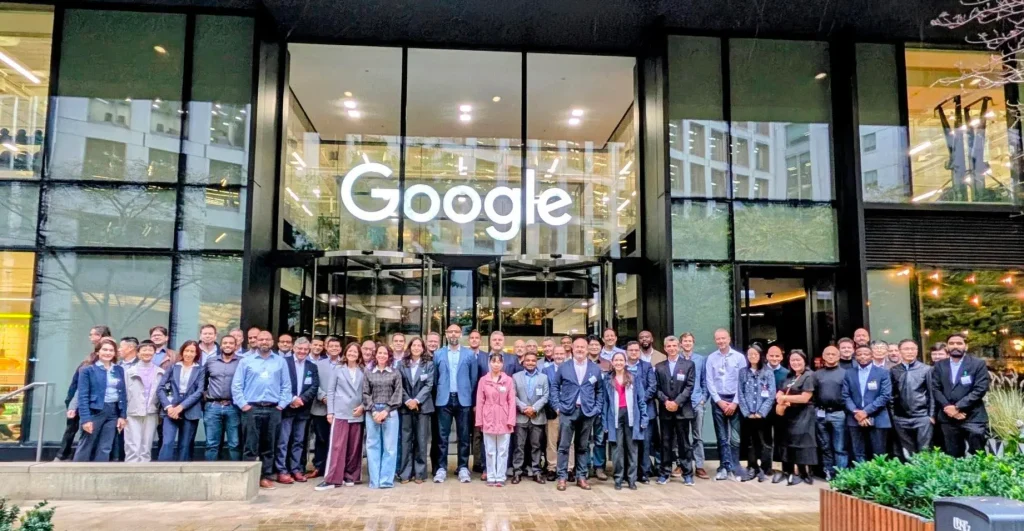
Zinkworks and Google Cloud co-hosted the TM Forum Autonomous Networks Workshop at Google’s London office. Leading European and Latin American operators agreed on three priorities for reaching higher levels of network autonomy:
- Cross-domain Digital Twins built on ontology and knowledge graphs, because the gap to higher autonomy is a data model gap, not an AI gap.
- Trust and AI sovereignty designed into agentic architectures from day one, because autonomy will scale at the speed of trust.
- RAN optimisation through agentic rApps in closed loops, because measurable outcomes are what unlock investment.
Autonomous Networks have moved past the vision stage. The question operators now ask is not whether to pursue autonomy, but how to implement it across domains, govern it safely and prove its value to the board. That was the challenge this workshop set out to answer.
What was the TM Forum Autonomous Networks Workshop?
The TM Forum Autonomous Networks Workshop was a two-day, in-person working session held at Google London, 6 Pancras Square, on 20 and 21 October 2026. Its theme was Building the Autonomous Networks Playbook: From Strategy to Implementation at Scale.
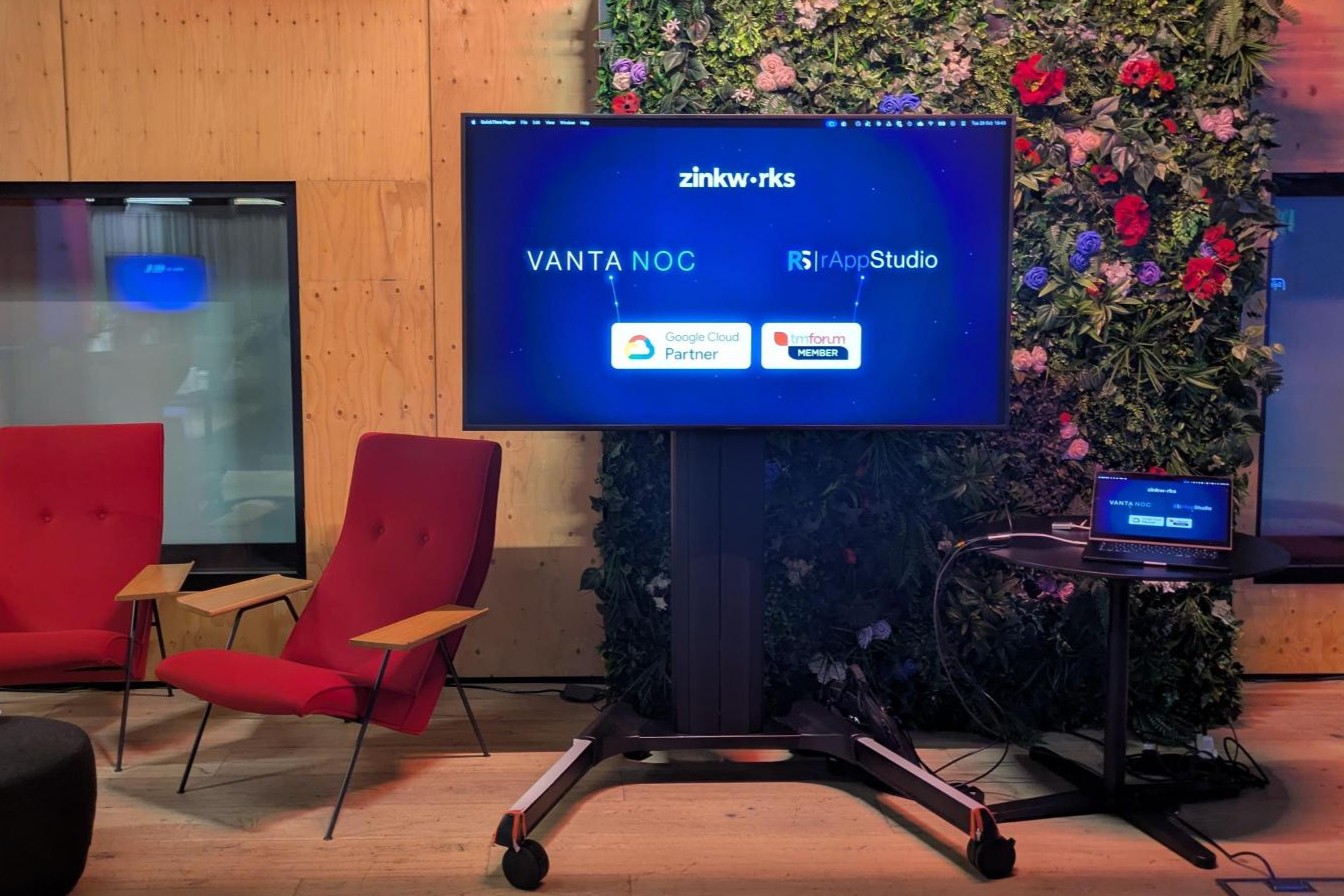
As a Google Cloud Partner and an active TM Forum member, Zinkworks co-hosted the event with Google Cloud, bringing together communications service providers (CSPs) and vendor members of the TM Forum Autonomous Networks group. Operators in the room included:
- BT Group
- Colt Technology Services
- Elisa
- Entel
- Liberty Global
- NOS SGPS
- POST Luxembourg
- Telefónica
- Telekom Srbija
- Telenet group
- Virgin Media O2
- Vodafone
The agenda focused on moving Autonomous Networks from strategy and architecture to real-world implementation, cross-domain autonomy and industry-scale adoption. Sessions covered business outcomes and High Value Scenarios, AI agents and multi-agent systems, closed-loop automation and the role of Digital Twins. Attendees also contributed directly to the TM Forum Autonomous Networks Playbook and got hands-on with Catalyst-proven use cases from Google and Zinkworks.
What did Zinkworks Present?
Zinkworks contributed four sessions, each addressing a different barrier operators face on the path to higher autonomy.
The path to autonomy needs a Digital Twin
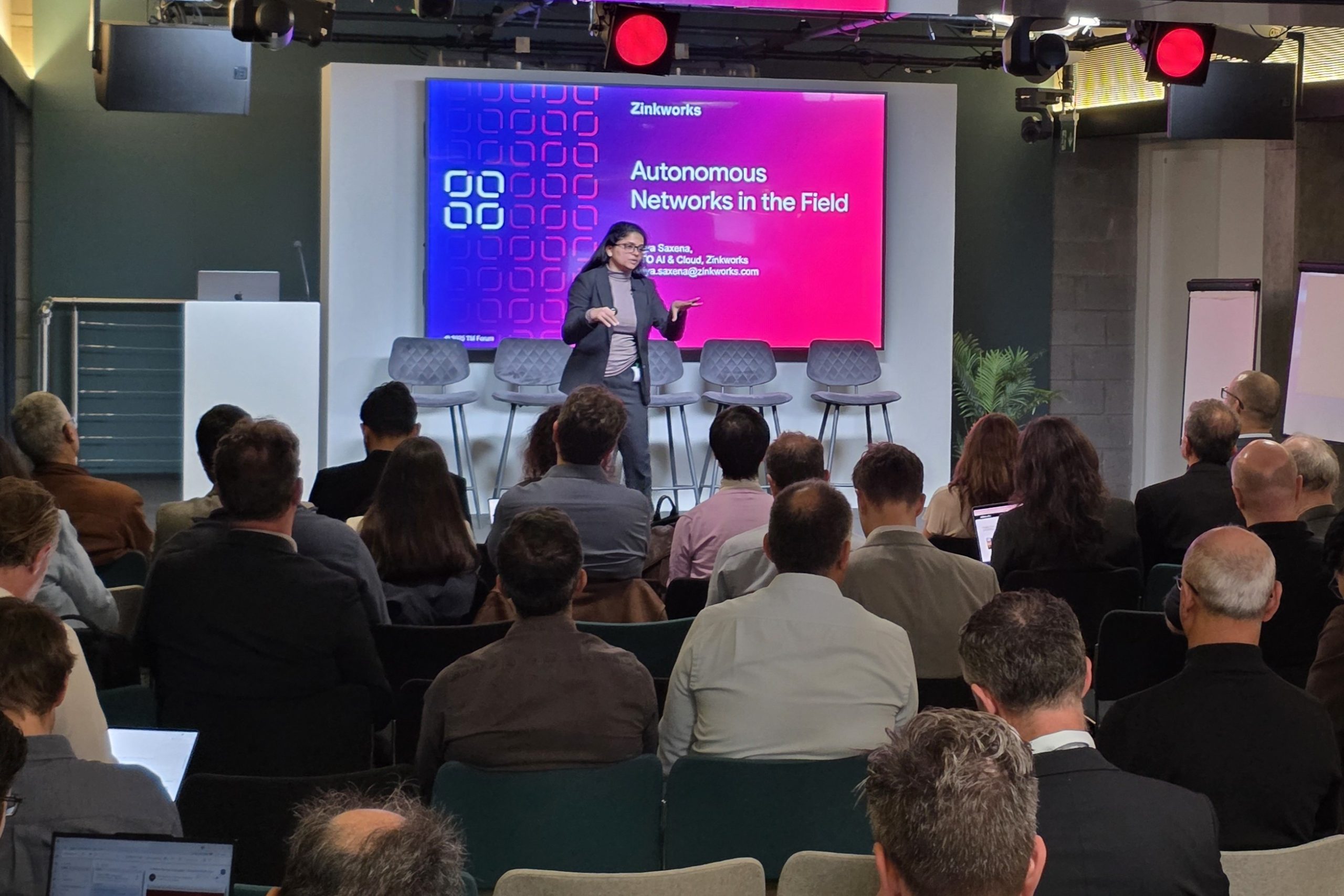
Priya Saxena, CTO Cloud AI Services at Zinkworks, joined Google for the opening keynote. She made the case for cross-domain Digital Twins as “the killer app” for realising Autonomous Networks. A Digital Twin gives AI agents a unified, real-time model of the network across RAN, transport, core and services. Without it, agents reason over fragmented data and autonomy stalls at the domain boundary.
The keynote also set out why trust and AI sovereignty must be built in from day one. As operators hand more decisions to AI agents, they need to retain full control of their networks. That means clear guardrails, explainable actions, full auditability and certainty over where models and data reside.
Autonomous Networks deliver real ROI
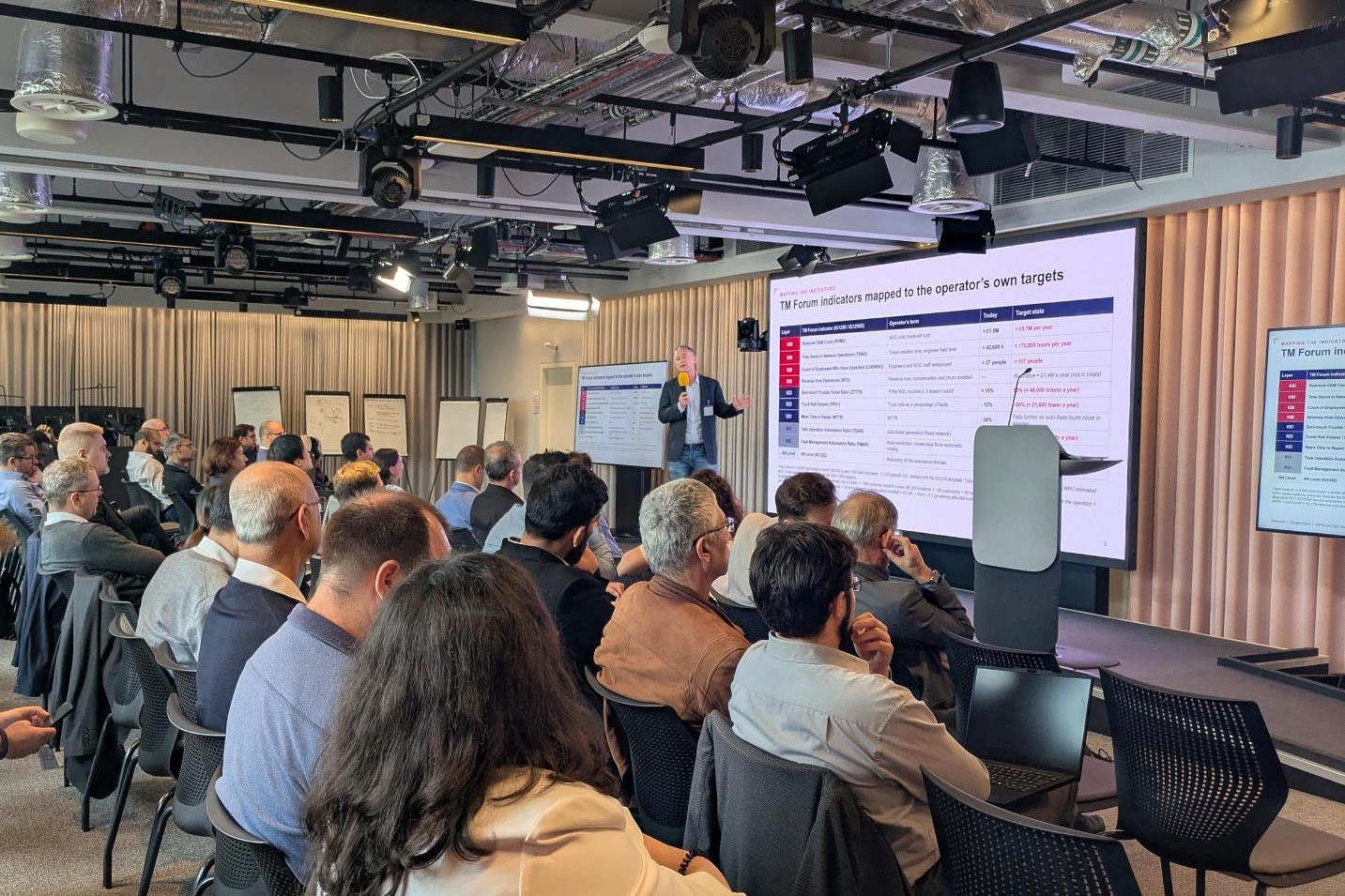
Nigel Portley, Accounts Director at Zinkworks, showed how to measure the business value of Autonomous Networks. His session translated autonomy levels into operational and financial outcomes and demonstrated why the return for telcos is significant when investment is tied to specific, measurable scenarios.
The path to a fully optimised RAN
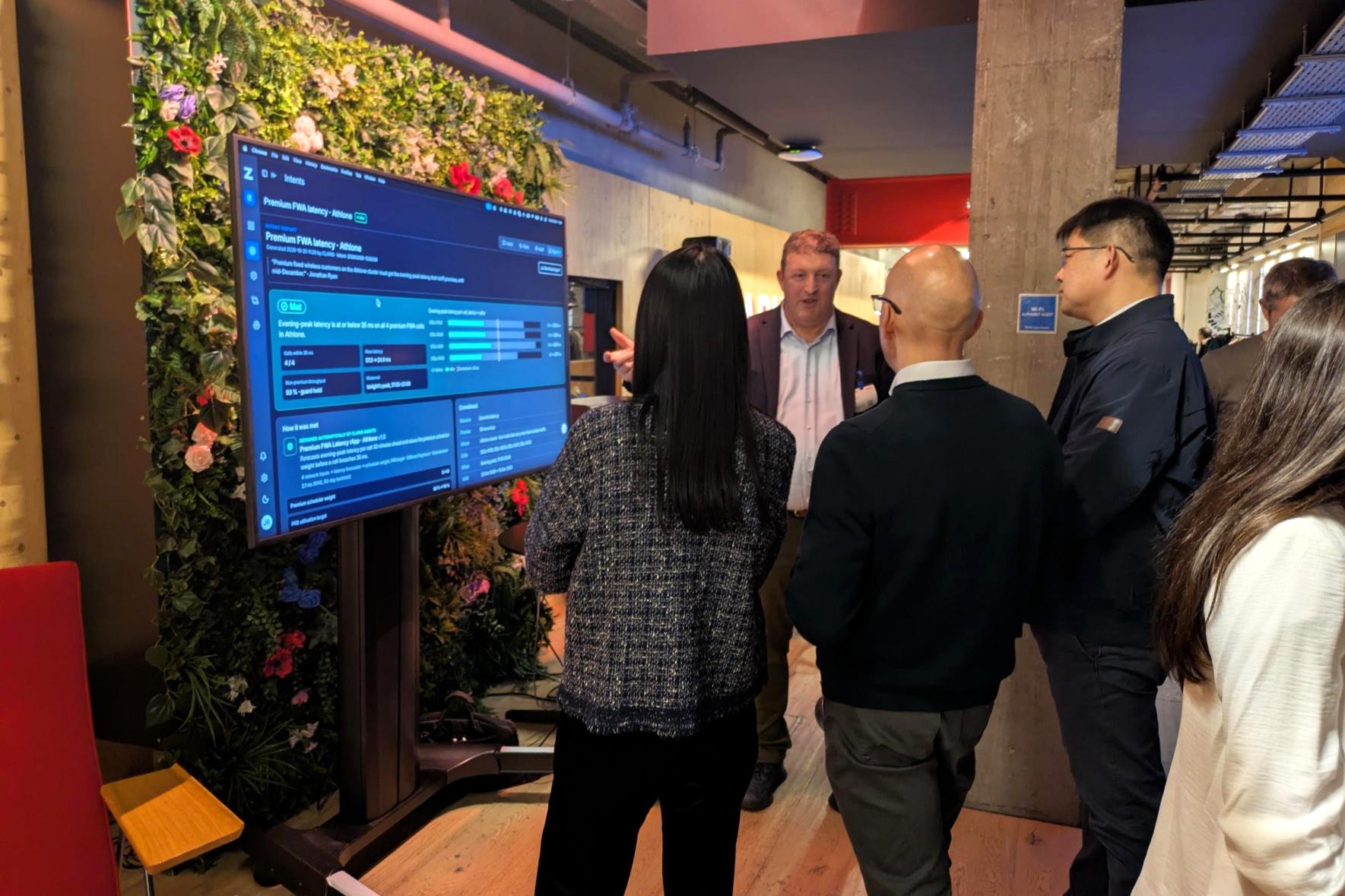
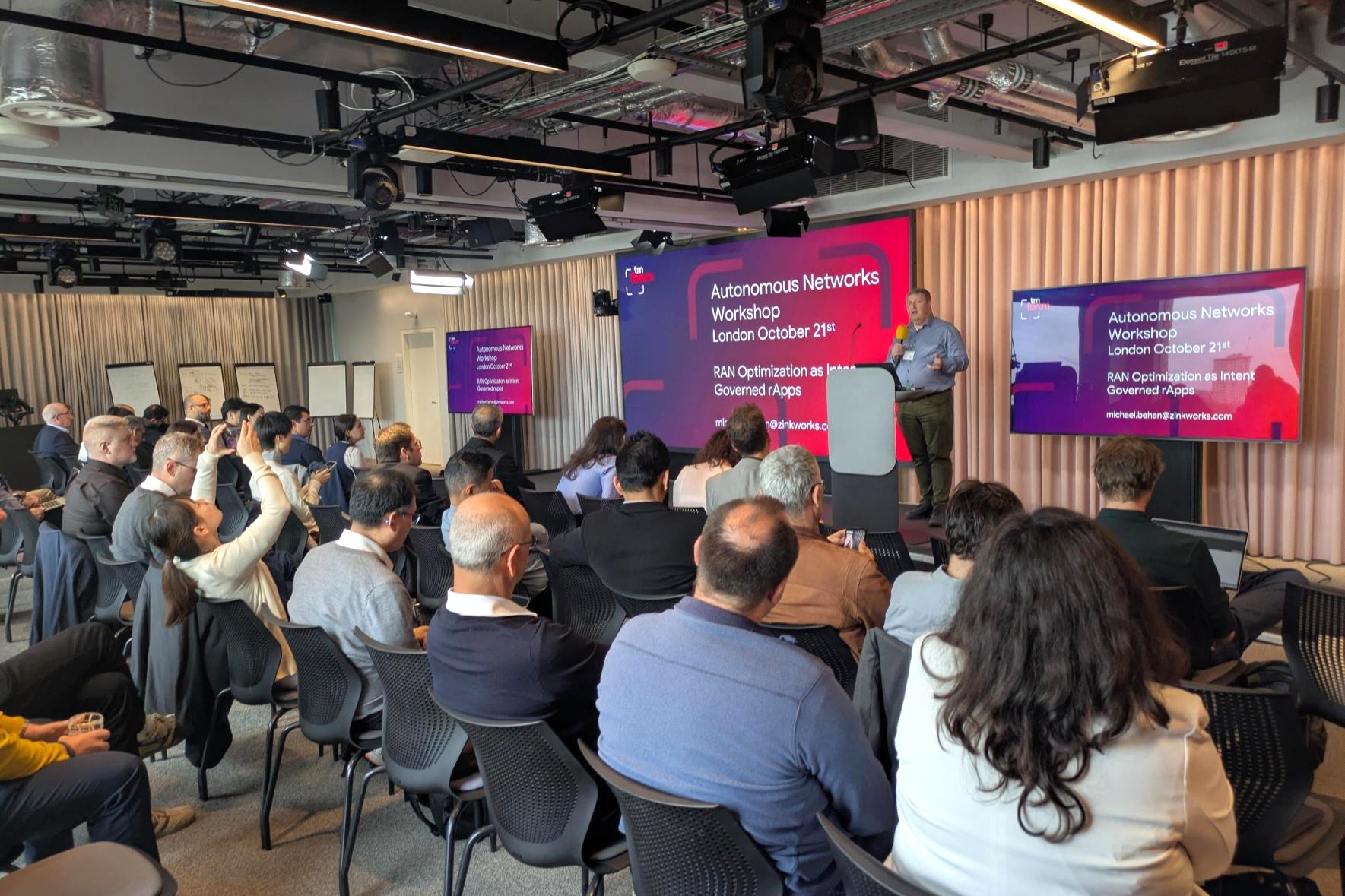
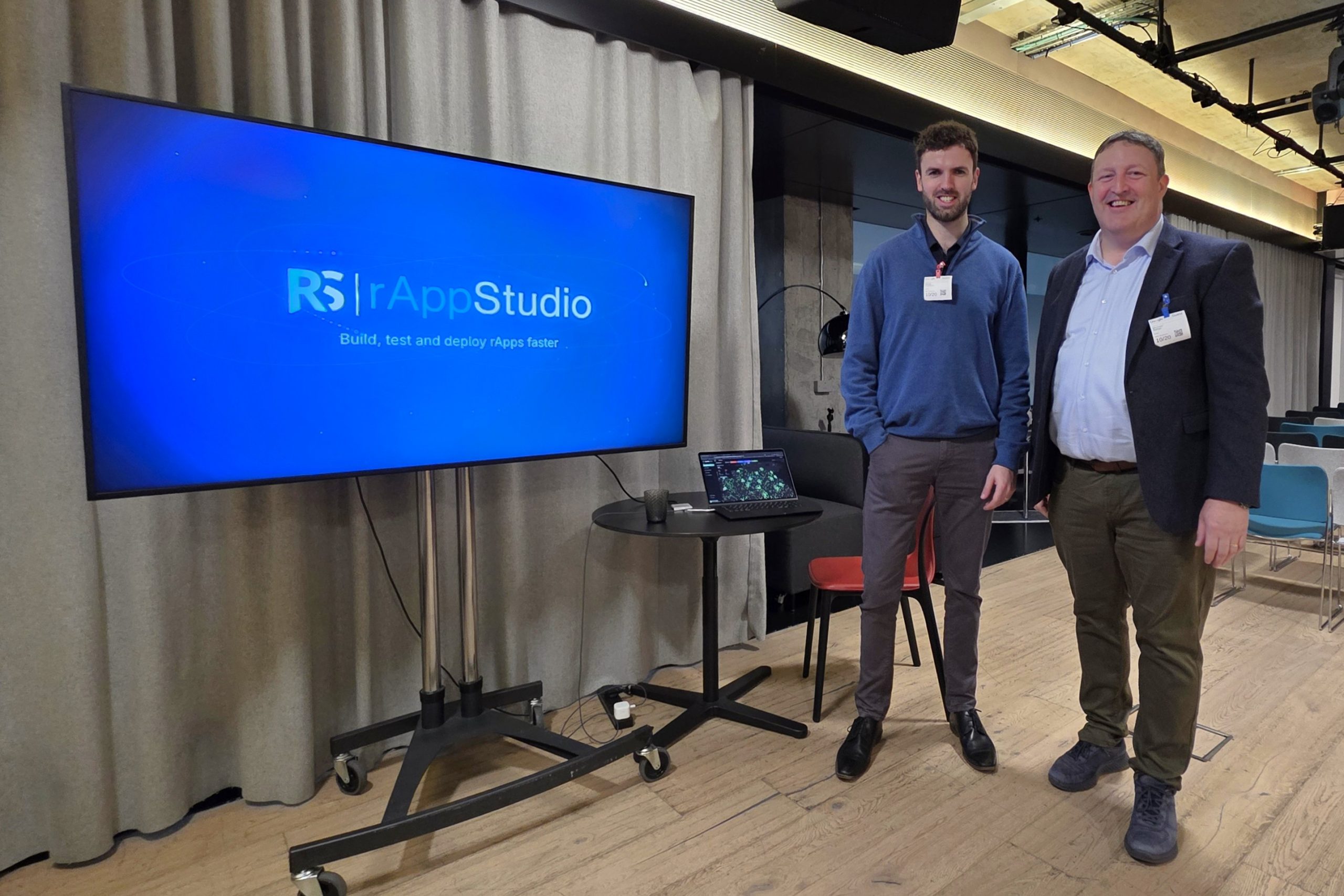
Michael Behan, Solution Architect at Zinkworks, presented RAN optimisation and energy savings through Intent Governed rApps, with live demonstrations of Zinkworks rApp Studio. Operators saw how high-level business intent becomes governed, closed-loop action in the RAN.
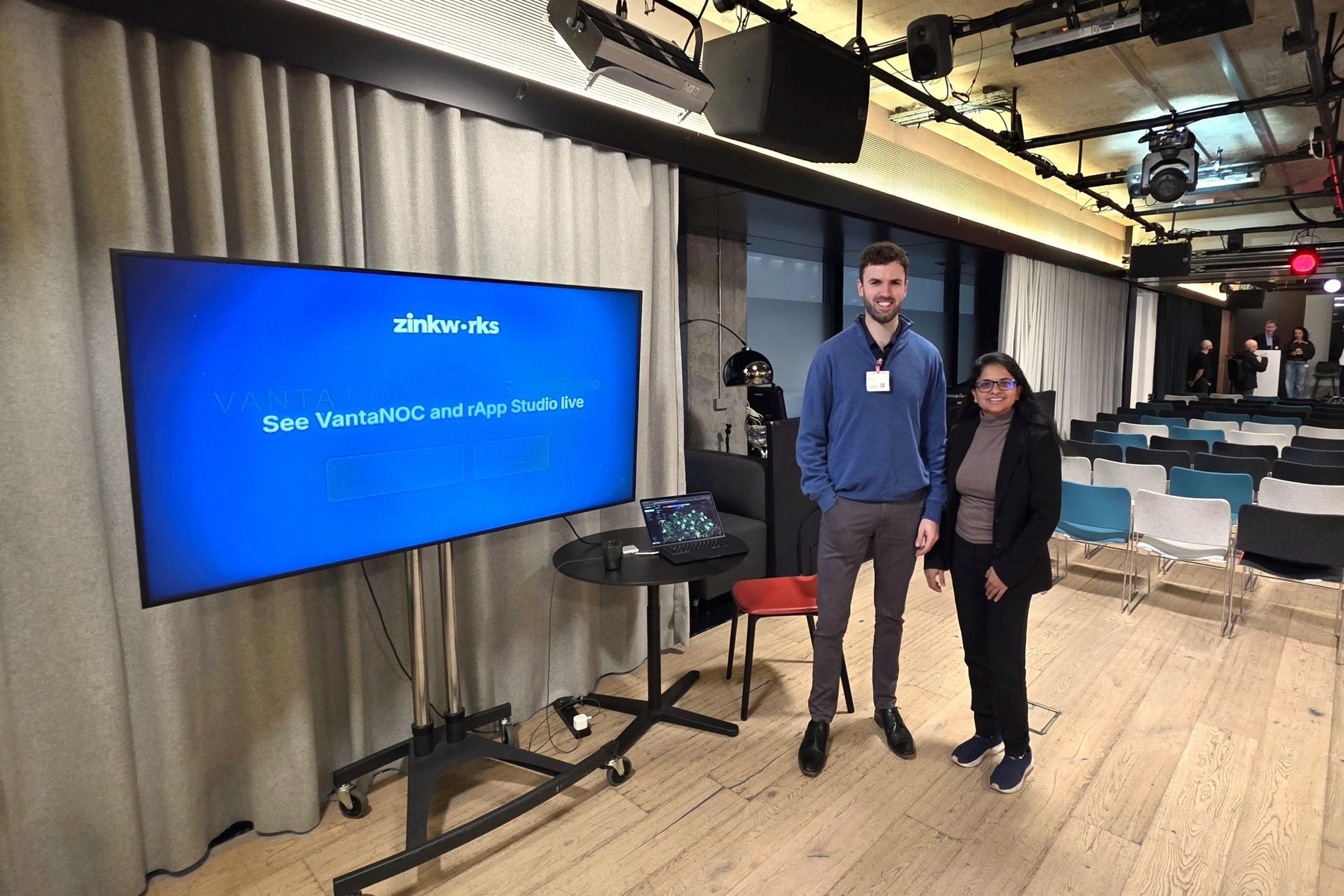
David Caulfield, Product Manager at Zinkworks, led hands-on demonstrations of Zinkworks VANTA NoC, showing how network operations teams can work alongside autonomous systems in practice.
What did Operators Say About Autonomous Networks?
The most valuable part of any TM Forum workshop is hearing directly from operators. Encouragingly, what they shared echoed what Zinkworks has been building.
1. Digital Twins are strategic enablers for cross-domain autonomy
Operators see Digital Twins, built on ontology and knowledge graphs, as the foundation for cross-domain Autonomous Networks.
Why it matters: The gap to higher autonomy is a data model gap, not an AI gap. AI agents are only as capable as the network model they reason over. The operators pulling ahead are treating a cross-domain twin as a core infrastructure investment, not a side project.
2. Trust and sovereignty sit at the heart of agentic architectures
As Autonomous Networks shift toward agentic AI, operators are placing trust and sovereignty at the centre of their architecture decisions.
Why it matters: Agentic autonomy will scale at the speed of trust. Control, auditability and sovereignty are now architecture requirements and procurement criteria at the same time. Vendors that cannot demonstrate them will not make the shortlist.
3. RAN optimisation is where agent reasoning meets action
RAN optimisation is emerging as the area that connects agent reasoning with real action, executed by rApps inside a closed-loop Autonomous Networks system.
Why it matters: Agentic rApp deployments correlate with tangible business outcomes, such as energy savings and performance gains, and produce business cases a CFO can sign. Results dictate investment.
What Does this Mean for Operators?
The message from London was clear: the next phase of Autonomous Networks will be won on foundations, not features. Operators that move fastest will:
- Invest in the data model first, building a cross-domain Digital Twin that gives AI agents a single, trusted view of the network.
- Design governance in from the start, so that every autonomous action is controlled, explainable, auditable and sovereign.
- Start where value is provable, using intent-governed rApps in the RAN to deliver energy and performance gains that justify wider rollout.
These three priorities reinforce each other. The Digital Twin provides the context; governance provides the trust and closed-loop RAN use cases provide the evidence that unlocks the next round of investment.
Continue the Conversation
Thank you to Google Cloud, TM Forum and every operator and vendor who joined us in London. Your openness made this a genuinely productive working session, and we look forward to contributing further to the TM Forum Autonomous Networks Playbook.
If you would like to see Zinkworks rApp Studio or Zinkworks VANTA NoC in action or explore how a cross-domain Digital Twin could accelerate your autonomy roadmap, get in touch with our team.
FAQs
01 When and where was the TM Forum Autonomous Networks Workshop held?
The workshop took place on 20 and 21 October 2026 at Google’s London office, 6 Pancras Square. It was co-hosted by Zinkworks and Google Cloud.